The digital landscape changes rapidly, and keeping up with every new device, software update, and tech trend can feel overwhelming. Techsized com serves as a dedicated resource designed to break down complex concepts into actionable, easily digestible insights. Whether you are a tech enthusiast, a professional looking to optimize your workflow, or someone trying to make sense of everyday consumer electronics, having a reliable guide is essential.
Understanding how technology scales down to fit into daily life is the core mission of modern digital spaces. From microchips to cloud computing networks, the focus is always on making tools more accessible and efficient for the end user.
The Evolution of Consumer Electronics and Digital Spaces
Consumer electronics have transitioned from luxury items to fundamental necessities. A few decades ago, a single computer occupied an entire room. Today, pocket-sized smartphones possess thousands of times more processing power than the systems that guided astronauts to the moon. This shift toward compact, powerful, and highly integrated systems defines the modern tech era.
As digital spaces expand, the integration of technology goes beyond screens and code. Innovation now influences physical spaces, automated systems, and even environmental maintenance. For example, modern land management and outdoor maintenance utilize advanced software to schedule asset care, monitor soil health, and automate irrigation. Platforms focusing on professional Turf Care highlight how software and automation optimize physical resources, ensuring that tech footprint utility extends to every industry.
The Rise of Smart Hardware
Smart hardware is no longer limited to phones and laptops. The Internet of Things (IoT) connects everyday appliances to the internet, allowing them to communicate with one another. Smart thermostats learn household routines to conserve energy, while automated security systems provide real-time alerts directly to mobile devices.
The shrinking size of internal components allows manufacturers to build sleek, aesthetic designs without sacrificing performance. This balance of form and function ensures that technology integrates seamlessly into home and work environments.
Software as a Service (SaaS) and Cloud Accessibility
Hardware requires powerful software to maximize its potential. The shift toward Cloud Computing and Software as a Service (SaaS) models allows users to access heavy applications directly through a web browser. This eliminates the need for expensive, high-end local hardware for basic professional tasks.
- Collaboration Tools: Teams can co-edit documents in real time across different continents.
- Cloud Storage: Data backup happens automatically, reducing the risk of local hardware failure data loss.
- Scalability: Businesses can scale their software subscriptions up or down based on current monthly needs.
Core Pillars of Modern Technology Infrastructure
To fully appreciate what platforms like Techsized com cover, it helps to understand the underlying infrastructure supporting modern digital tools. Technology relies on a network of hardware, software, and data protocols working in unison.
High-Speed Connectivity and 5G Networks
The deployment of 5G networks provides the bandwidth necessary for real-time data transmission. Lower latency means that automated systems can react instantly, which is critical for developments like autonomous driving and remote medical procedures. This connectivity ensures that cloud applications load as quickly as local software.
Artificial Intelligence and Machine Learning
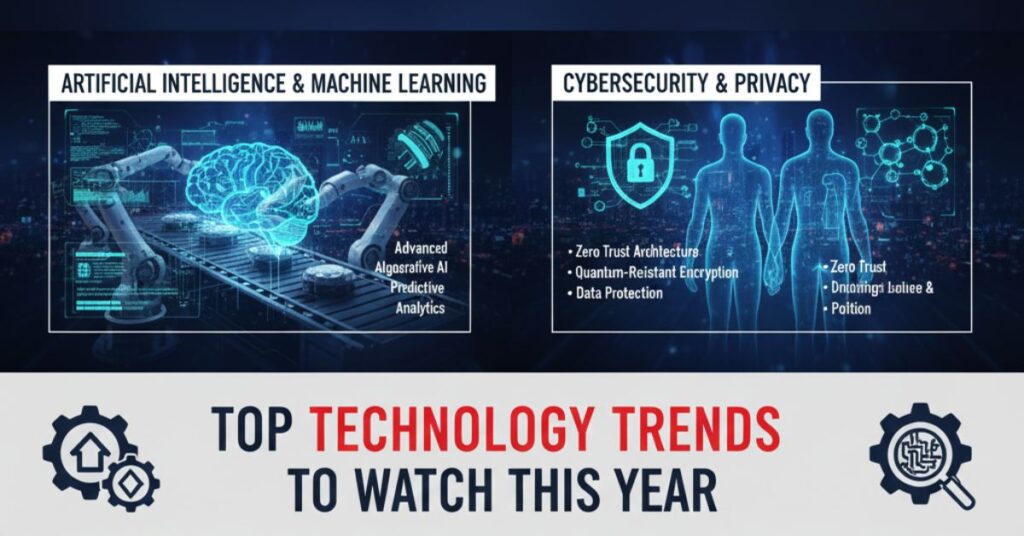
Artificial Intelligence (AI) has moved from a theoretical concept to a practical tool. Machine learning algorithms analyze vast amounts of data to predict outcomes, automate repetitive tasks, and personalize user experiences. From email filtering to advanced predictive analytics, AI serves as the engine driving modern software efficiency.
Practical Digital Tools for Everyday Productivity
Maximizing personal and professional productivity requires choosing the right digital toolkit. The market offers thousands of applications, making selection difficult without proper analysis.
Task Management and Organization
Staying organized requires tracking deadlines, notes, and project assets in a centralized location. Digital workspaces allow individuals to build customized dashboards that match their specific workflow preferences.
- Kanban Boards: Visual cards track the progress of tasks from creation to completion.
- Time Trackers: Built-in timers help professionals analyze how much time goes toward specific projects.
- Document Databases: Centralized wikis store standard operating procedures and project guidelines.
Content Creation and Digital Strategy
The growth of digital media means that more individuals are creating content for professional or personal brands. Modern tools simplify editing, publishing, and search engine optimization processes.
Using specialized analytics platforms helps creators determine what topics resonate most with audiences. By identifying trends early, publishers can craft content that answers specific user queries accurately.
Cybersecurity and Data Protection Practices
As reliance on digital platforms increases, protecting personal and professional data becomes a vital priority. Cyber threats evolve alongside defensive technologies, making basic security habits essential for everyone online.
Password Management and Authentication
Relying on the same password across multiple websites creates an easy target for data breaches. Using dedicated security tools ensures that credentials remain unique and complex.
- Deploy a Password Manager: These tools generate and store highly complex passwords securely.
- Enable Two-Factor Authentication (2FA): Adding a secondary verification step prevents unauthorized access even if someone discovers the password.
- Regular Audits: Check security settings periodically to revoke access from older, unused devices.
Understanding Phishing and Social Engineering
Many security breaches occur due to human error rather than software vulnerabilities. Phishing scams mimic legitimate organizations to trick users into revealing confidential data. Verifying the sender email address and avoiding suspicious links protects data integrity.
Future Trends Shaping the Tech Industry
The next decade promises major shifts in how humans interact with digital environments. Emerging technologies move from early development stages into mainstream commercial use.
Edge Computing Realities
While cloud computing centralizes data processing in massive data centers, edge computing processes information closer to the actual source. This reduces data transmission times, allowing localized devices to make decisions instantly without relying entirely on an internet connection.
Sustainable Tech and Eco-Innovation
As data centers grow and hardware manufacturing scales, the tech industry focuses heavily on sustainability. Renewable energy sources power modern server farms, and manufacturers use recycled materials to build consumer devices, minimizing electronic waste impact.
FAQs
What is the focus of Techsized com?
Techsized com focuses on delivering clear insights into modern technology trends, consumer electronics updates, and digital tools designed to improve daily productivity and workflow management.
How does proper hardware selection impact productivity?
Choosing hardware that matches specific workload requirements prevents performance bottlenecks, reduces system downtime, and ensures that software applications run at optimal efficiency levels.
Why is cybersecurity important for everyday users?
Cybersecurity protects sensitive personal information, financial data, and digital identities from unauthorized access, identity theft, and malicious software attacks.
What role does automation play in modern industries?
Automation handles repetitive, data-heavy tasks, allowing human workers to focus on strategic planning, creative problem solving, and complex operational tasks.
Read Also : economicweeklynews: What It Is and How It Helps?