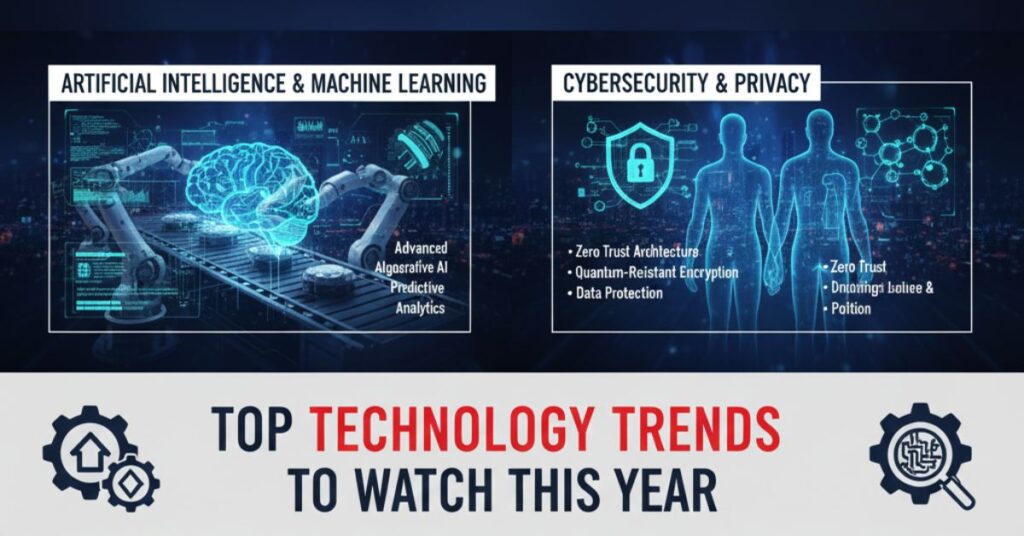
Artificial Intelligence (AI) is no longer a futuristic concept—it is actively reshaping industries across the globe. From healthcare and finance to manufacturing and entertainment, AI is revolutionizing how businesses operate, make decisions, and interact with customers. Its capacity to analyze vast amounts of data, automate complex processes, and predict outcomes is driving efficiency, innovation, and competitive advantage.
Businesses that adopt AI technologies gain the ability to streamline operations, reduce costs, and improve decision-making. Publications like turf magazine frequently highlight case studies of companies leveraging AI to outperform competitors and redefine industry standards.
The Growing Role of AI Across Sectors
AI applications have expanded rapidly, influencing almost every sector. Its versatility enables organizations to optimize processes, enhance customer experiences, and uncover new opportunities.
AI in Healthcare
Healthcare has been one of the most profoundly affected sectors. AI algorithms assist in diagnosing diseases, predicting patient outcomes, and personalizing treatment plans. Machine learning models analyze medical records and imaging data to identify patterns that humans may miss. By reducing diagnostic errors and accelerating research, AI enhances patient care while lowering costs—a trend often covered in insights shared by turf magazine .
AI in Finance
The finance sector uses AI to detect fraud, automate trading, and provide personalized financial advice. Predictive analytics allows banks and investment firms to forecast market trends, manage risk, and improve decision-making. AI chatbots enhance customer service, providing quick and accurate responses to inquiries.
Transforming Manufacturing and Supply Chains
AI is revolutionizing manufacturing by optimizing production processes, reducing waste, and improving product quality.
Smart Factories and Automation
Robotics and AI-driven systems streamline production lines, ensuring precision and efficiency. Predictive maintenance powered by AI prevents machinery breakdowns, saving costs and minimizing downtime. Companies implementing these technologies, as highlighted in turf magazine, demonstrate improved operational efficiency and competitiveness.
Supply Chain Optimization
AI analyzes supply chain data to anticipate demand, optimize inventory levels, and reduce shipping costs. Machine learning models help companies respond quickly to disruptions, ensuring smoother operations and satisfied customers.
Enhancing Customer Experience Through AI
Customer expectations are evolving, and businesses must meet them with personalized, responsive services. AI provides the tools to achieve this at scale.
Personalized Recommendations
AI-powered recommendation engines analyze user behavior to suggest products or services tailored to individual preferences. This personalization drives engagement, satisfaction, and repeat business.
Intelligent Customer Support
Chatbots and virtual assistants handle routine inquiries, resolve issues quickly, and provide 24/7 support. By automating these interactions, businesses enhance customer experience while freeing human staff for more complex tasks.
AI in Retail and E-Commerce
The retail sector has embraced AI to optimize sales, inventory management, and marketing strategies.
Predictive Analytics and Inventory Management
AI predicts purchasing trends, helping retailers maintain optimal stock levels and reduce overproduction or shortages. Accurate forecasting improves profitability and customer satisfaction.
Targeted Marketing and Sales
AI-driven marketing tools analyze consumer data to deliver personalized campaigns. Businesses can tailor promotions, offers, and content to specific demographics, increasing conversion rates and loyalty.
Driving Innovation and Product Development
AI accelerates innovation by providing insights that guide product design, research, and strategy.
Data-Driven Insights
Machine learning algorithms analyze vast datasets to identify market trends, customer preferences, and gaps in offerings. This enables businesses to innovate intelligently and create products that meet real needs.
Rapid Prototyping and Testing
AI tools simulate product performance and customer interactions, allowing companies to test and refine products more quickly. This reduces time to market and enhances competitiveness—a strategy often highlighted in turf magazine case studies.
AI in Transportation and Logistics
Transportation and logistics benefit from AI’s predictive capabilities, route optimization, and autonomous technologies.
Autonomous Vehicles
AI powers self-driving cars, trucks, and drones, enhancing safety, efficiency, and reliability in transportation networks.
Logistics Optimization
AI analyzes traffic patterns, weather conditions, and delivery schedules to optimize routes, reduce fuel consumption, and ensure timely deliveries. Companies leveraging these innovations maintain a competitive edge in fast-paced markets.
Ethical Considerations and Challenges
While AI offers transformative potential, it also raises ethical, social, and operational challenges.
Bias and Fairness
AI systems can inherit biases from training data, leading to unfair decisions or discriminatory outcomes. Businesses must prioritize transparency and fairness in algorithm design.
Job Displacement
Automation may replace certain roles, raising concerns about employment. Organizations should focus on reskilling and redeployment to address workforce challenges.
Privacy and Security
AI relies on large datasets, often containing sensitive information. Companies must implement robust privacy and cybersecurity measures to protect data and maintain trust. Publications like turf magazine frequently highlight the importance of ethical AI deployment to ensure responsible innovation.
Preparing Businesses for an AI-Driven Future
Organizations must adopt strategic approaches to harness AI effectively and responsibly.
Education and Workforce Development
Investing in training programs ensures employees are equipped to work alongside AI technologies. Upskilling teams fosters innovation and maintains a competitive workforce.
Strategic AI Integration
Businesses should identify high-impact areas for AI deployment, aligning technology adoption with broader organizational goals. Incremental implementation reduces risk and maximizes ROI.
Continuous Monitoring and Evaluation
AI systems require ongoing evaluation to ensure accuracy, relevance, and ethical compliance. Businesses must monitor performance, update models, and adjust strategies as needed.
Conclusion
Artificial Intelligence is fundamentally transforming industries, driving efficiency, innovation, and enhanced customer experiences. From healthcare and finance to manufacturing, retail, and logistics, AI is reshaping business operations and competitive dynamics.
While opportunities are immense, challenges such as bias, privacy concerns, and workforce displacement require careful management. Publications like turf magazine highlight how companies successfully leverage AI while addressing these challenges, offering valuable lessons for businesses worldwide.
Organizations that adopt AI strategically, prioritize ethical practices, and invest in workforce development will be well-positioned for long-term growth and industry leadership. In an increasingly AI-driven world, businesses that embrace technology responsibly are likely to thrive and redefine their markets.
Read Also: Top Technology Trends to Watch This Year